By Equipo VivePatagoniaEditorial team
Seeing a wild animal up close is one of the things you take home from Patagonia. Whether it can still be seen twenty years from now depends on fairly small details: not getting closer than you should, not leaving food, not straying from the trail.
Here are five places where that’s done well, with the season for each.
1. Isla Magdalena: Magellanic penguins
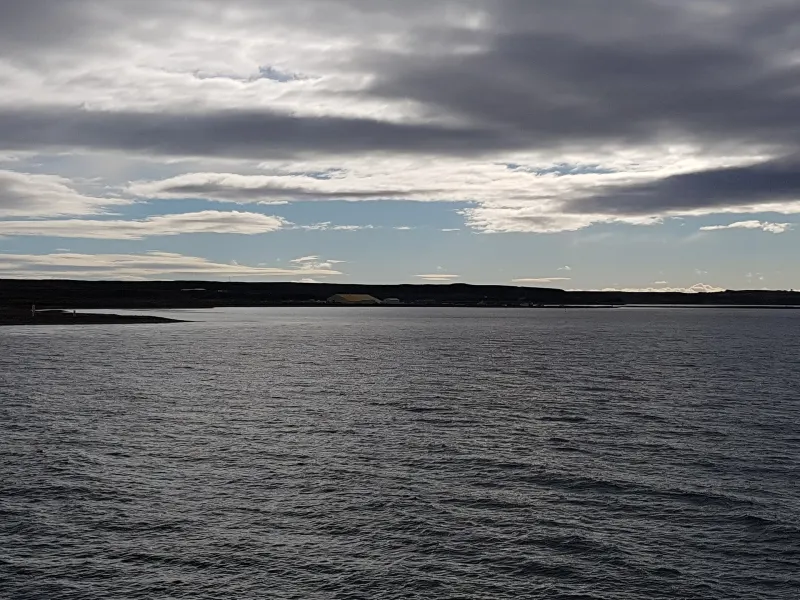
An island 35 km from Punta Arenas, in the middle of the strait. The colony topped a hundred thousand birds in the early 2000s and has declined sharply since: CONAF estimated about 7,000 pairs in 2025. The visit follows a rope-lined trail that runs between the nests. The penguins cross in front of you without batting an eye.
When: October to March. Outside those months the penguins are at sea and the boat trips don’t run.
The rule: don’t step past the rope and don’t touch. The nests are right beside the trail, and a crushed egg is one penguin fewer.
2. Parque Pingüino Rey, Tierra del Fuego: the colony that shouldn’t exist
On Bahía Inútil, 105 km from Porvenir, lives the only king penguin colony in Chile. It settled there in 2010.
Visits are made from wooden hides, at a distance and in silence. That distance is literally the reason the colony is still there: it’s a small, fragile population, and human pressure is what would drive it away.
When: October to May; the park closes in winter.
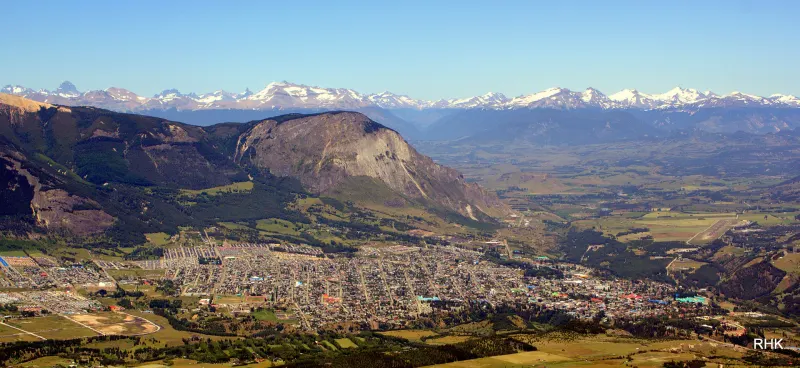
3. Coyhaique National Reserve and the Simpson valley: huemul and condors
The huemul (South Andean deer) is the deer of the south; it appears on Chile’s coat of arms, and it is an endangered species. Seeing one is a matter of luck, but these parts of Aysén are among the few places where it happens.
The condor, on the other hand, is almost a sure thing: over the cliffs of the Río Simpson valley they soar in mid-morning, once the thermals start.
When: year-round. Early morning is best.
4. Torres del Paine: guanacos and pumas
Guanacos are everywhere, and in November the chulengos (guanaco calves) are born. Where there are guanacos there are pumas, and Paine is now one of the best places in the world to see them—always with a guide, always from the vehicle or at a distance.
When: guanacos, year-round; births, in November and December. Pumas are most active at dawn and dusk.
The most-broken rule: getting out of the car to take photos. A puma that gets used to people is a puma that comes to a bad end.
5. Beagle Channel and the fjords: sea lions, dolphins and whales
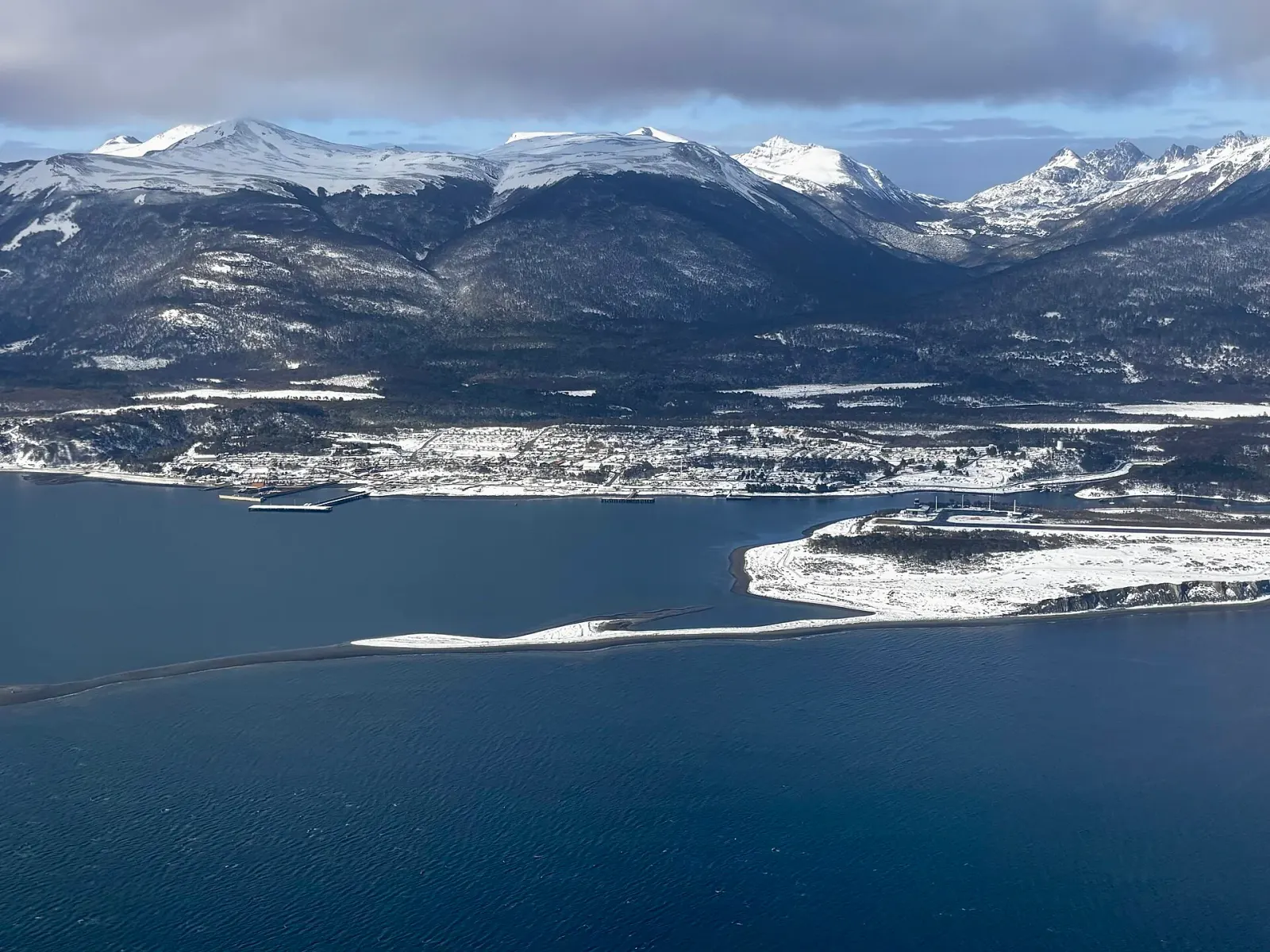
From Puerto Williams and on boat trips through the channels you’ll see sea lions, cormorants and Peale’s dolphins. Humpback whales pass through the strait, and blue whales through the Golfo Corcovado, farther north, between December and April.
The rule: boats must keep mandatory minimum distances from cetaceans. An operator that respects them will sometimes give you a more distant sighting; that’s the right operator.
What applies to all five
Take your trash with you, don’t feed any animal—not even the foxes that approach in parking lots, which is where it happens most—keep the distance the signs ask for, and accept that sometimes you’ll see nothing. A wild animal isn’t there to live up to your visit.
Last reviewed