3 min
When to go to Patagonia, and when not to
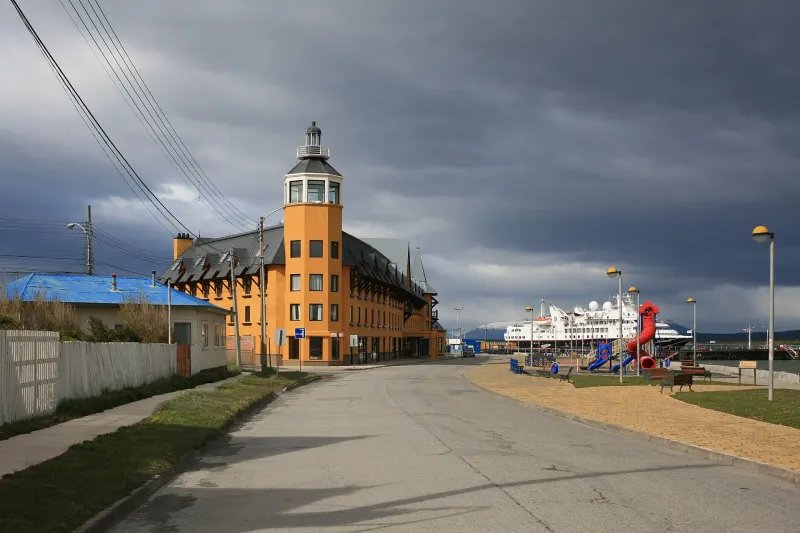
Summer brings daylight until eleven at night, and every other tourist too. Winter brings snow, low prices and half of everything closed. What to know before you pick a month.
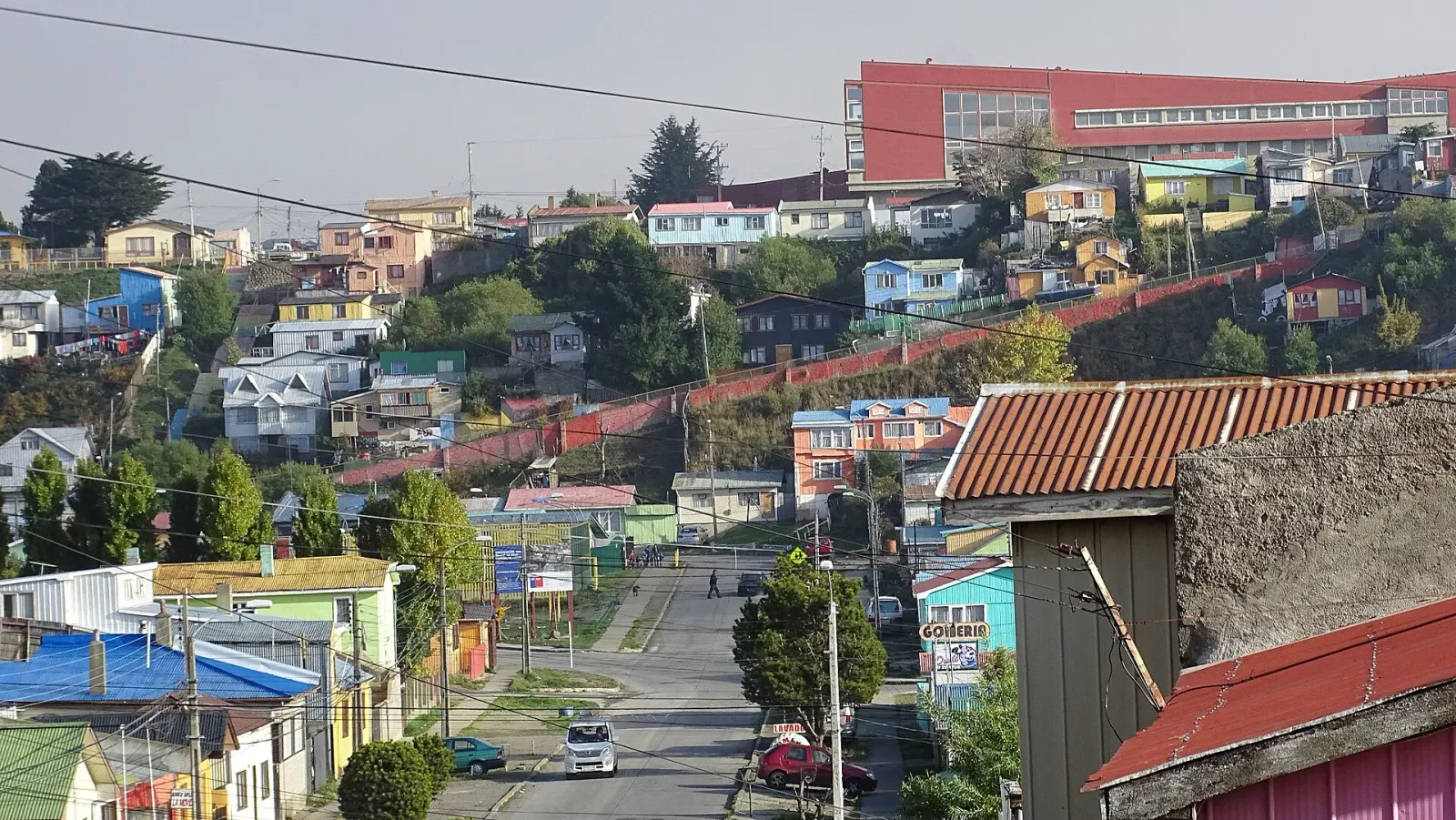 Photo: Mirek237 · CC BY-SA 4.0
Latest
Spit-roasted lamb, king crab, southern hake and a purple berry that stains everything it touches. A short guide to what’s worth seeking out at the southern table.
By Equipo VivePatagonia
Read the articleSummer brings daylight until eleven at night, and every other tourist too. Winter brings snow, low prices and half of everything closed. What to know before you pick a month.
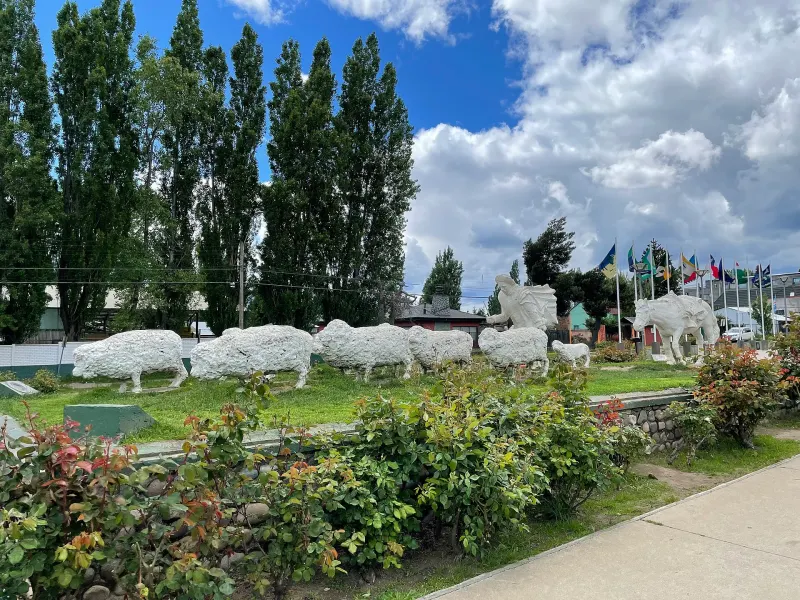
A five-sided plaza, a shepherd pushing into the blizzard and a giant hand offering a mate. A half-day loop that tells how the capital of Aysén came to be.
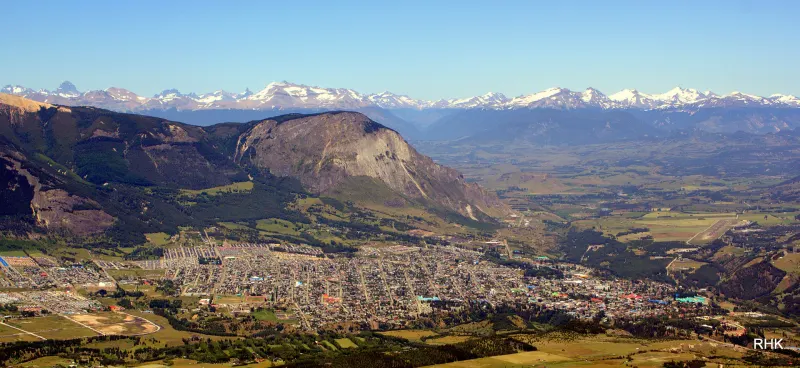
Coyhaique National Reserve lies five kilometers from the plaza and exists for a reason almost no one mentions: the fires of the settlement era left the slopes at the mercy of erosion. Four lagoons, trails named after trades, and the whole city in view.
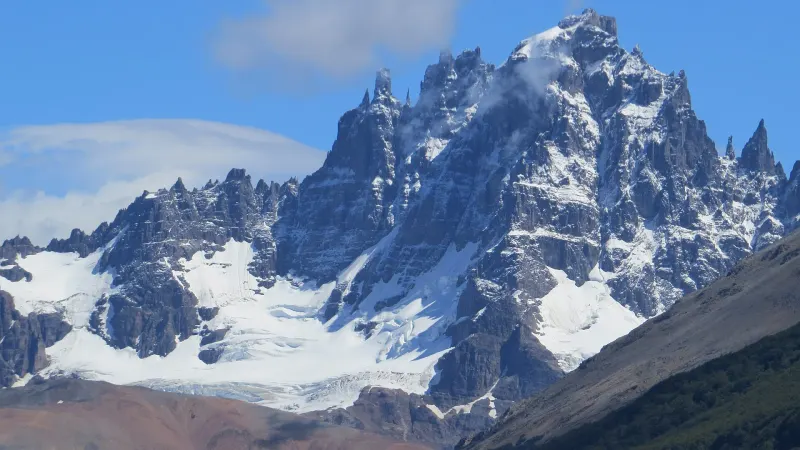
Some ninety-six kilometers between the city and a village at the foot of a fortress-shaped mountain. What to sort out before you leave, and two stops worth not skipping: a school its neighbors built and a wall with hands painted thousands of years ago.
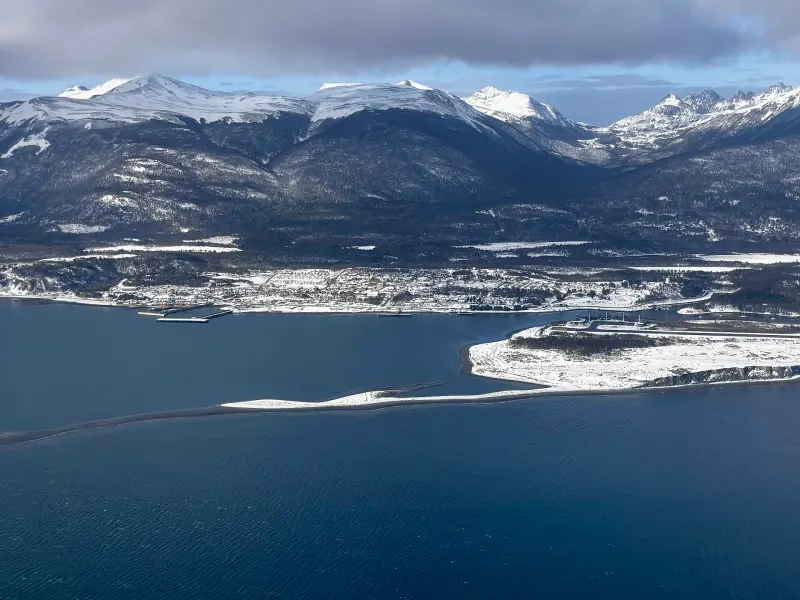
Penguins, whales, condors and huemul deer. Where they are, when, and why the distance you’re asked to keep isn’t a formality.
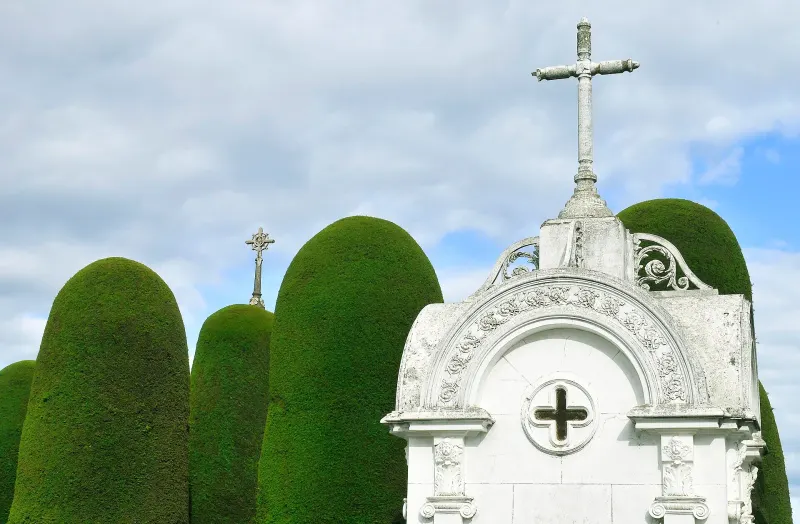
More than six hundred clipped cypresses, a gateway donated by Sara Braun and the grave of a nameless Indigenous man that never stops receiving candles. A slow walk through the place where the story of immigration to Magallanes is written.
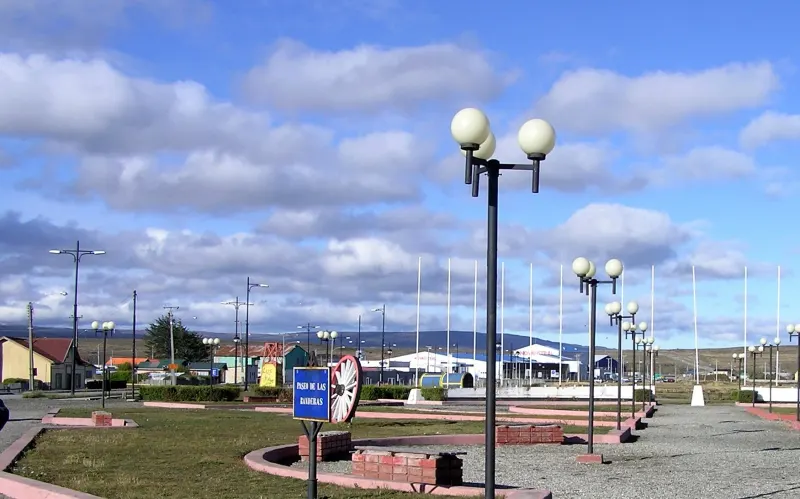
In Magallanes the wind isn’t a weather event; it’s a permanent condition. It changes plans, cancels ferries and decides which clothes are any use. It’s worth understanding before you pick a fight with it.
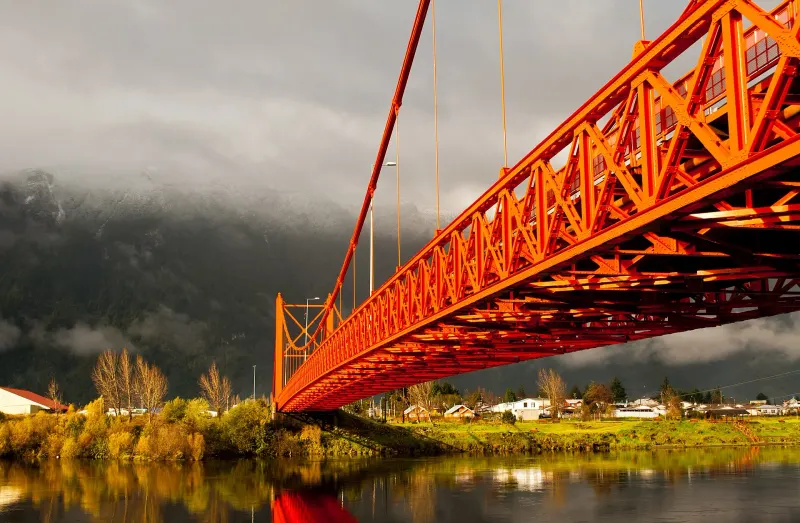
It was the region’s gateway and its first capital, until the river silted up and ships could no longer get in. The bridge, the old Land Office and the fifteen kilometers out to the fjord tell that story.
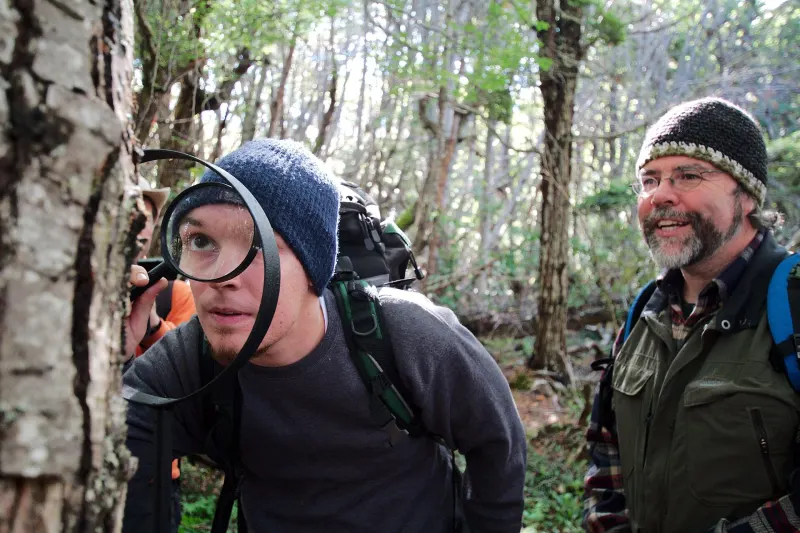
On Isla Navarino there are forests that fit on a stone. Omora Park invites you to look at them up close, hand lens in hand, in a region that holds more than five percent of the world’s moss and liverwort species.
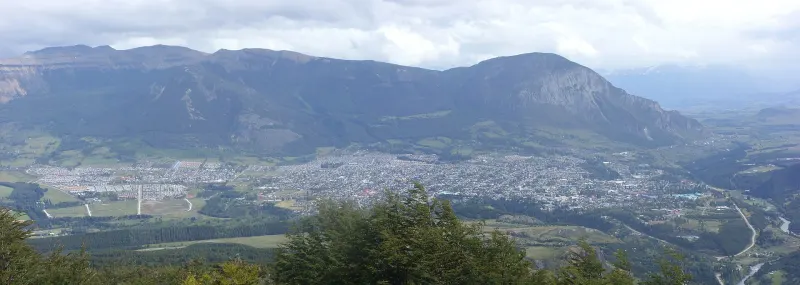
It’s called Route 7 and runs 1,240 kilometers, but half of it is gravel and it doesn’t connect anything in one continuous line. Understanding that before you rent the car heads off ninety percent of the scares.
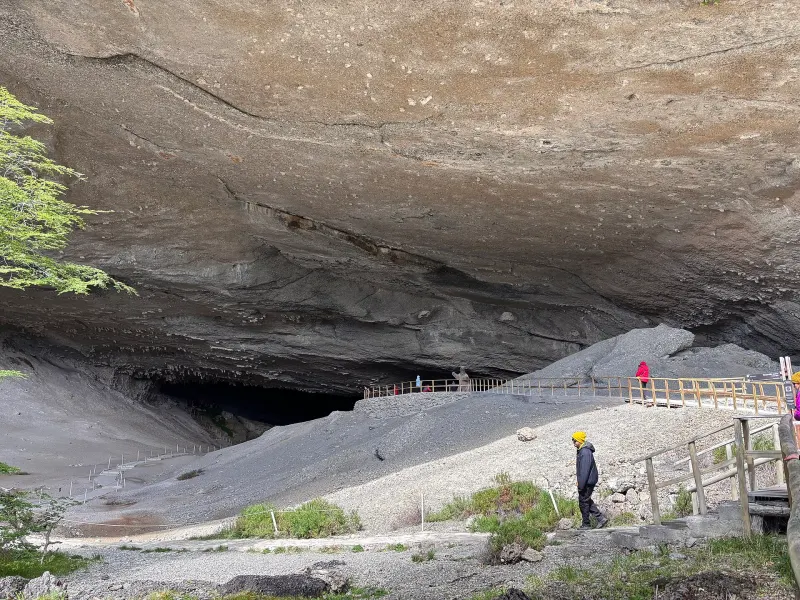
A giant sloth, a hide that ended up in London and a Bruce Chatwin book that made it world famous. What’s actually known about one of Patagonia’s best-known caves, 25 kilometers from Puerto Natales.
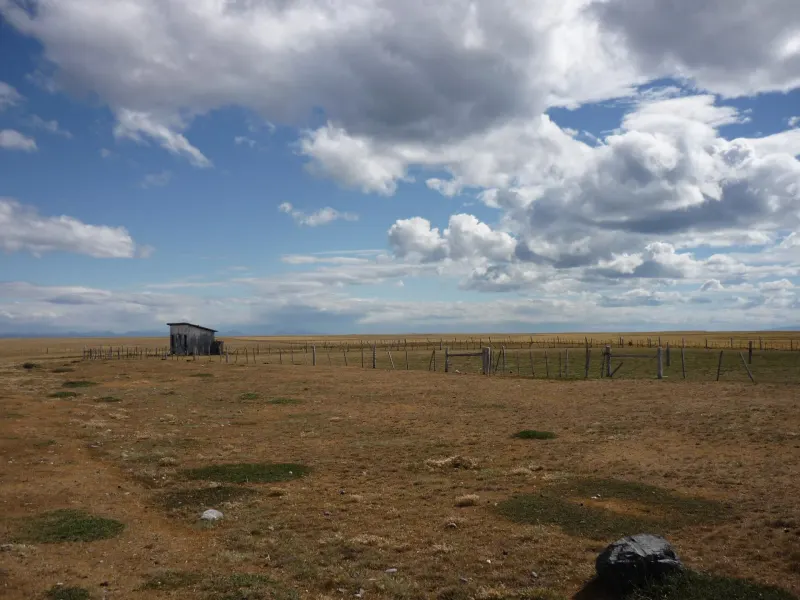
The Fuegian gold rush came in the 1880s, but the town was founded in 1894 to serve the sheep estancias. Between those two stories lies the story of the Selk’nam people, which deserves to be told in full.
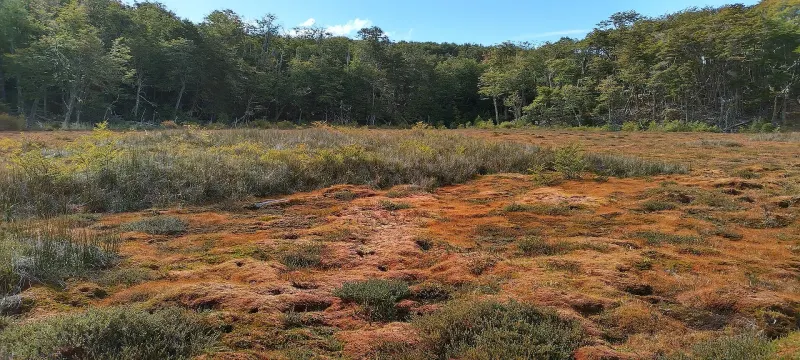
They look like soggy pastures, but they are wetlands that store carbon and regulate water. What the peatlands of Aysén and Magallanes are, why the law bans peat extraction, and how to enjoy them without harming them.
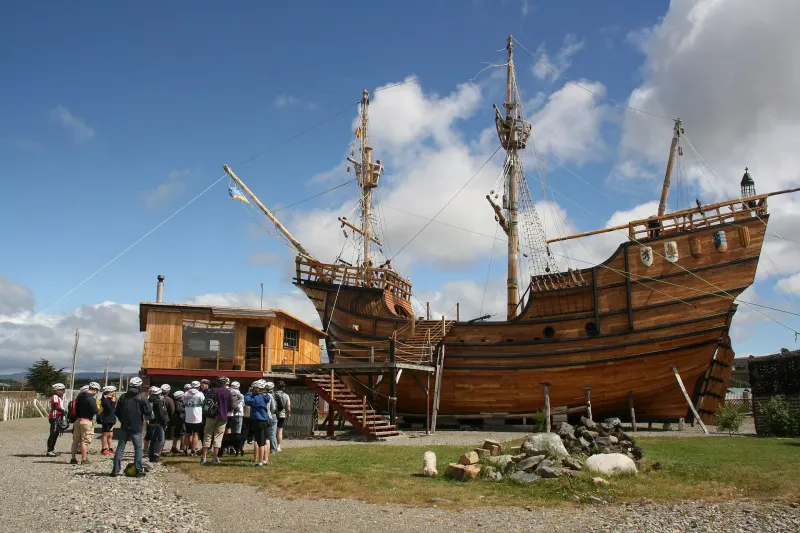
North of Punta Arenas, beside the Strait, stand four full-size replicas: Magellan’s ship, the schooner that brought Chile to the Strait, Darwin’s Beagle and Shackleton’s lifeboat. Each tells of a voyage tied to these waters.
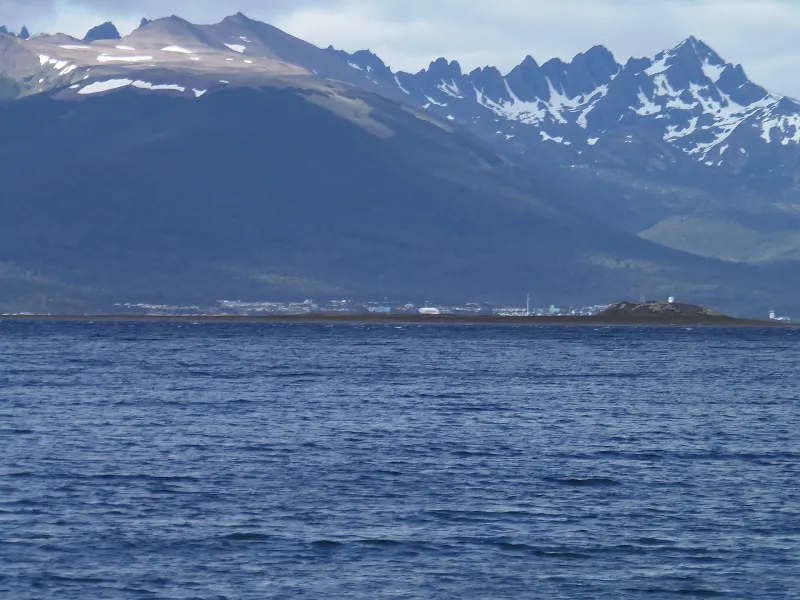
More than six thousand years navigating the southern channels, a language the community is working to keep alive, and a museum that changed its name at the community’s request. What’s worth knowing before visiting Puerto Williams, and how to do it respectfully.
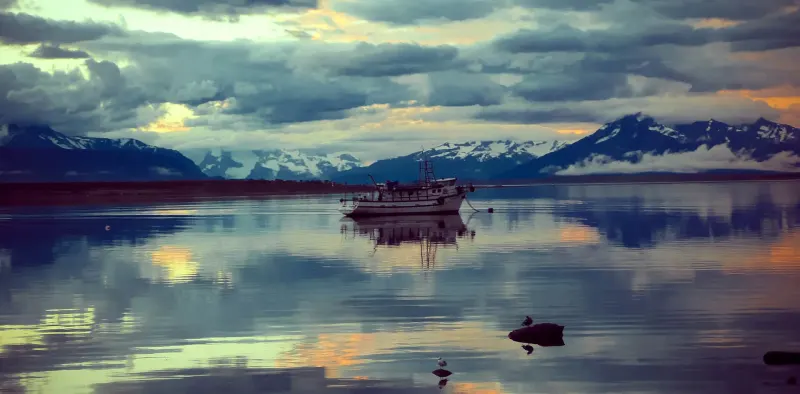
Almost everyone uses it as a base camp for Torres del Paine, but the town has a history of its own: a fjord named like a farewell, a meatpacking plant that once processed thousands of sheep a day, and a waterfront where the wind has its own monument.
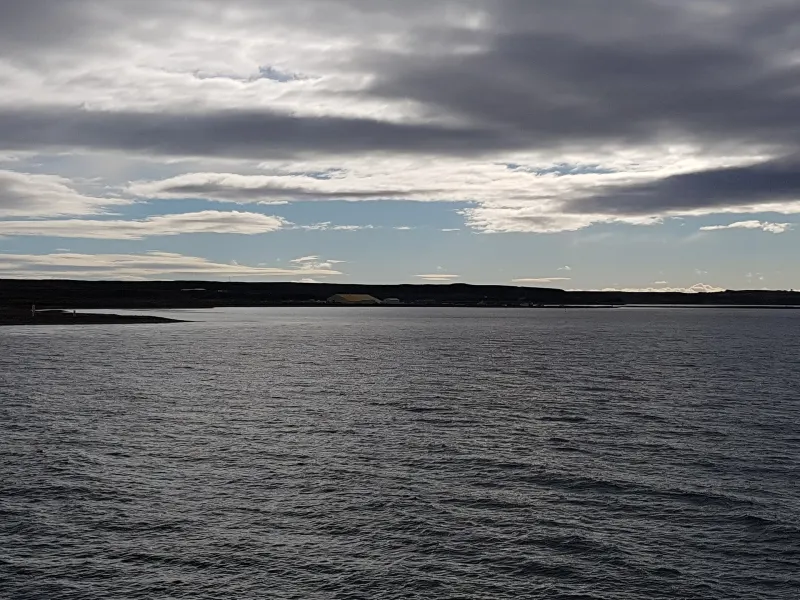
A couple of hours on the water, a waterfront that remembers the Selk’nam, and a salt lagoon where microorganisms build structures related to some of the oldest fossils on Earth. How to make the most of a day in Tierra del Fuego.