By Equipo VivePatagoniaEditorial team
The Carretera Austral was built starting in 1976 to connect, overland, a region that until then could only be reached by sea or through Argentina. Fifty years later it is still less a highway than a string of roads and ferries that someone decided to give the same number.
That isn’t a flaw. It’s what makes it what it is. But it’s worth knowing before you plan your travel days with a ruler on a map.
It isn’t continuous
There are three unavoidable ferries along the full route, and all of them have schedules, limited space and seasons. The best known is the one at Caleta Gonzalo, in the north; at the far southern end is the Puerto Yungay–Río Bravo crossing, a free ferry run by the Ministry of Public Works with only a handful of departures a day.
Missing a ferry doesn’t mean waiting half an hour: it can mean waiting until the next day. A trip down the Austral gets planned around those schedules, not the other way around.
Half of it is gravel
The paved stretches keep growing, and from Coyhaique heading north and just to the south the road is in good shape. But much of the route is loose gravel, with washboard, flying stones and dust when it’s dry.
That has three practical consequences:
- Average speed is 50 to 60 km/h, not 90. A 200 km stretch takes four hours, not two.
- A flat tire is the classic breakdown. Check the spare, the jack and the lug wrench before you set off, and make sure they’re actually there, not just in theory.
- Windshields crack. It happens so often that rental companies charge for it separately. Slowing down when you pass another vehicle cuts the risk a lot.
Fill up when a station appears, not when you run low
There are stretches of more than 200 km with no gas station, and in high season some stations run dry for days. The rule locals follow is simple: if you pass a pump and you’re below half a tank, you fill up.
A spare jerrycan isn’t overkill. It’s what everyone does.
Your phone is useless for almost everything
Between towns there are hours without signal from any carrier. Download your maps for offline use, and have the lodging confirmation email up on your screen before you leave.
It also means that if something goes wrong, help is far away. Telling someone which way you’re going and when you expect to arrive is a habit that, down there, is anything but paranoid.
And yet
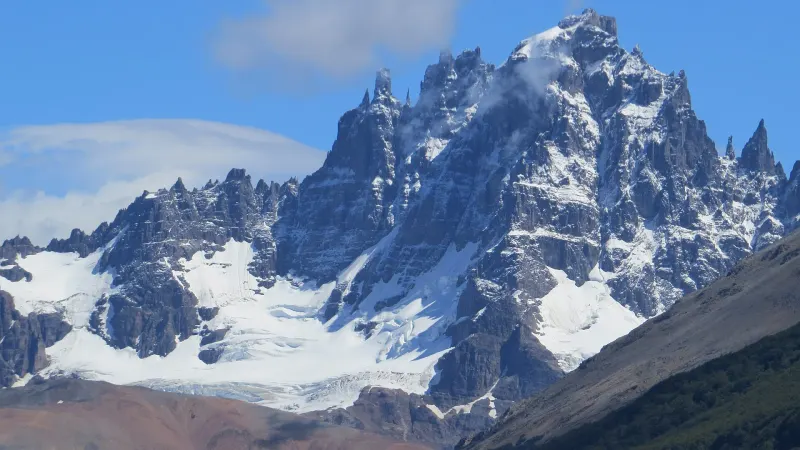
For all of the above, the Austral remains one of the most extraordinary roads on Earth. It runs through Valdivian rainforest, past hanging glaciers and rivers of a turquoise that looks doctored, and through fifty-person villages where someone is going to offer you coffee.
The difference between a trip that goes well and one that goes badly is almost never luck. It’s having understood, before setting out, that the number of kilometers doesn’t tell you how long it takes.
Last reviewed
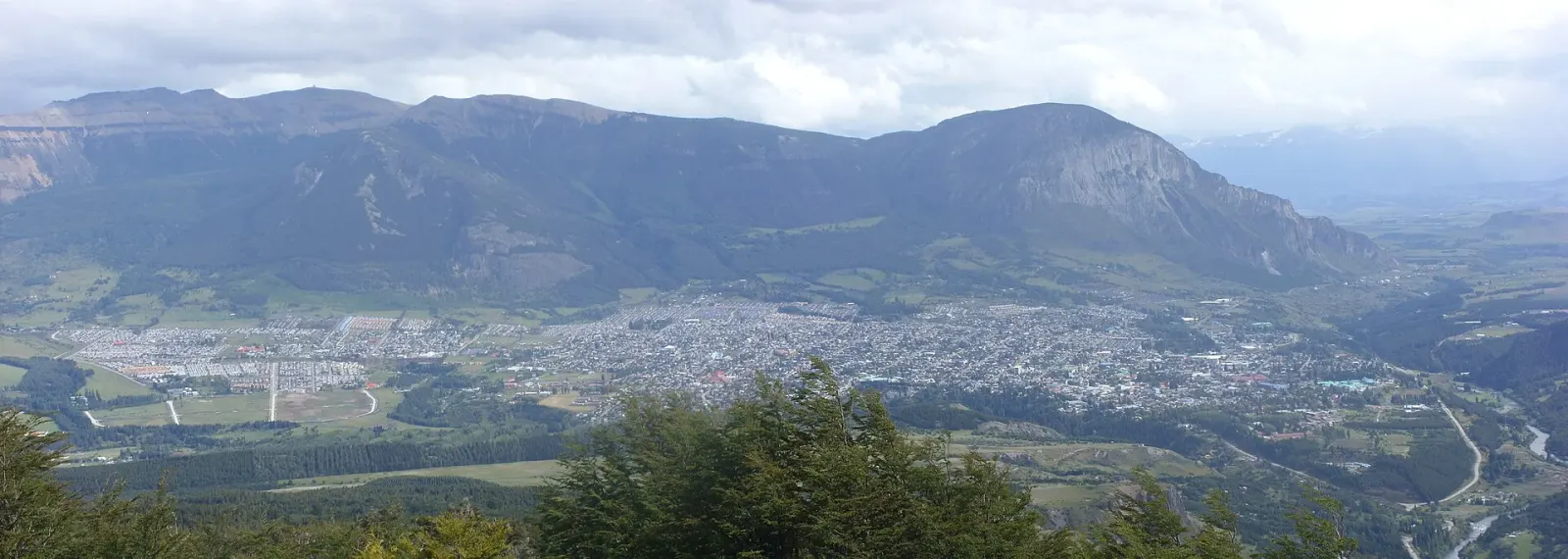
See the full guide to Coyhaique