Travel blogStories, routes and things worth knowing
Everything a destination page can't hold: when to come, what's on the plate, why the wind runs the show, and where to watch wildlife without disturbing it.
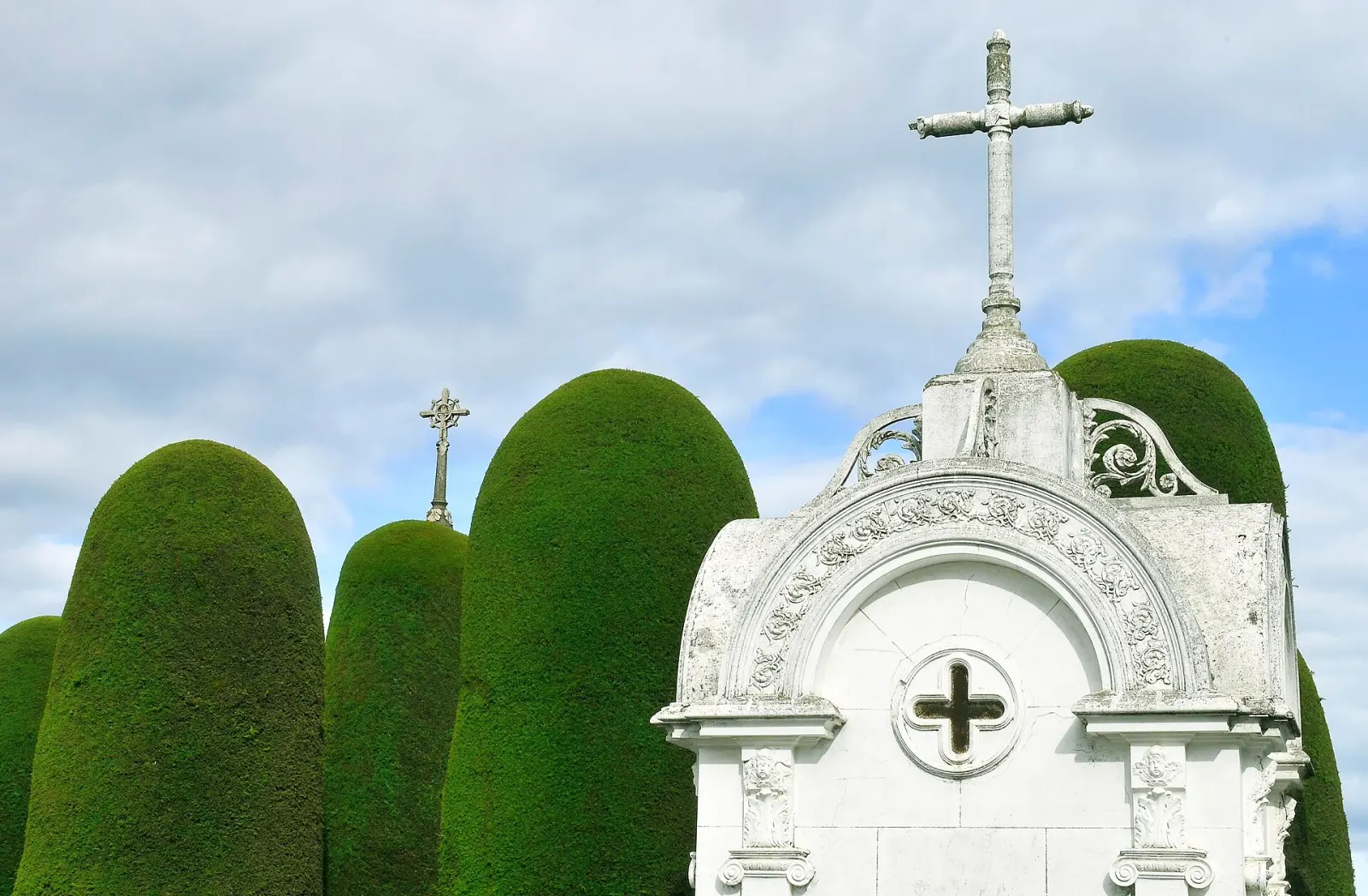
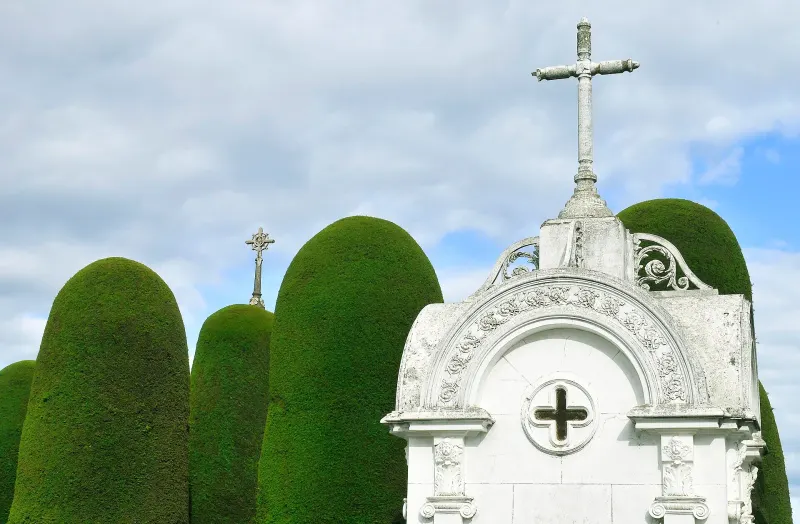
More than six hundred clipped cypresses, a gateway donated by Sara Braun and the grave of a nameless Indigenous man that never stops receiving candles. A slow walk through the place where the story of immigration to Magallanes is written.
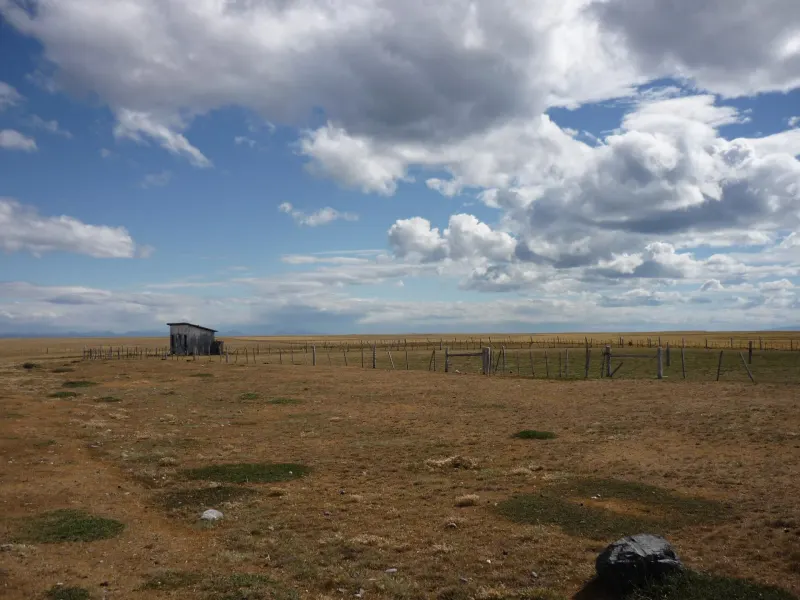
In Magallanes the wind isn’t a weather event; it’s a permanent condition. It changes plans, cancels ferries and decides which clothes are any use. It’s worth understanding before you pick a fight with it.
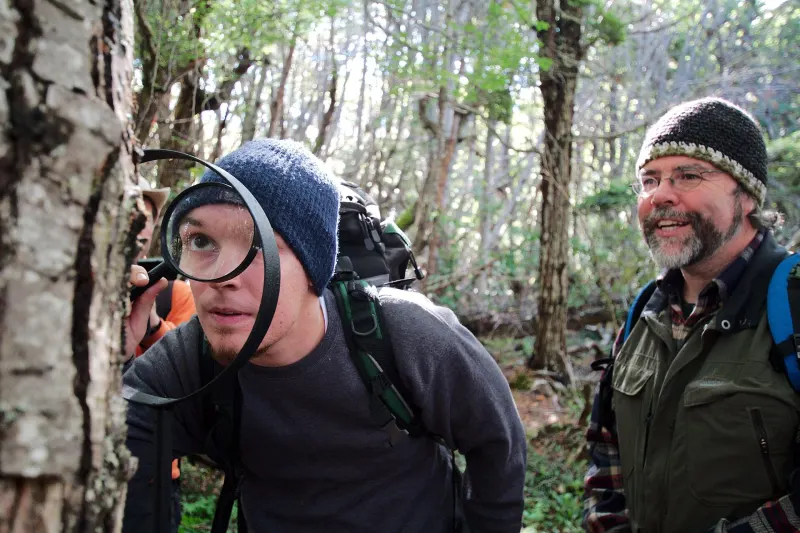
On Isla Navarino there are forests that fit on a stone. Omora Park invites you to look at them up close, hand lens in hand, in a region that holds more than five percent of the world’s moss and liverwort species.
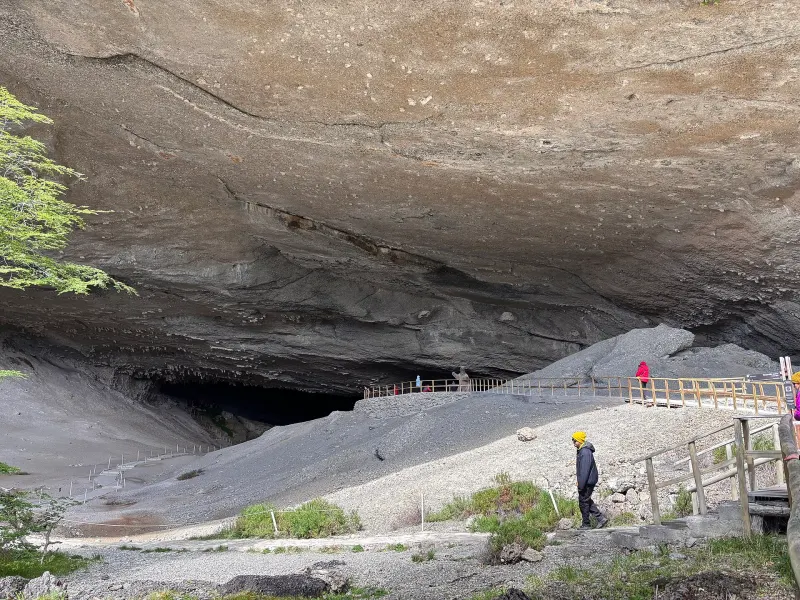
A giant sloth, a hide that ended up in London and a Bruce Chatwin book that made it world famous. What’s actually known about one of Patagonia’s best-known caves, 25 kilometers from Puerto Natales.
The Fuegian gold rush came in the 1880s, but the town was founded in 1894 to serve the sheep estancias. Between those two stories lies the story of the Selk’nam people, which deserves to be told in full.
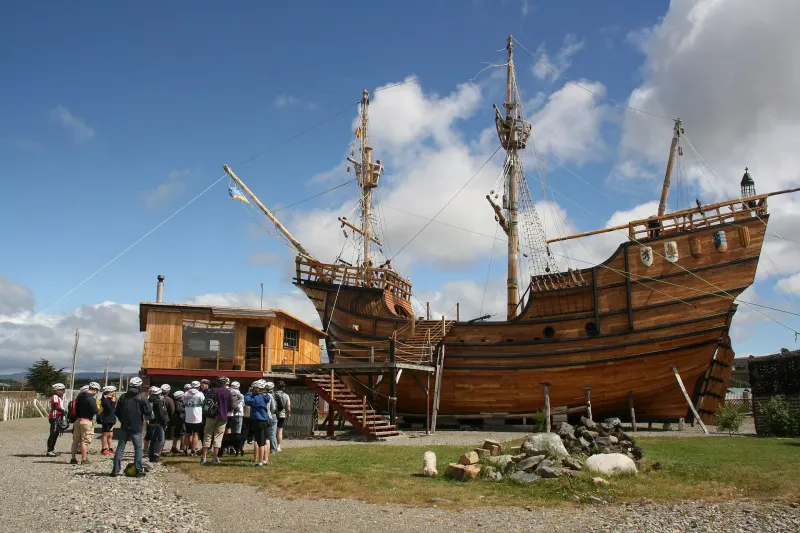
North of Punta Arenas, beside the Strait, stand four full-size replicas: Magellan’s ship, the schooner that brought Chile to the Strait, Darwin’s Beagle and Shackleton’s lifeboat. Each tells of a voyage tied to these waters.
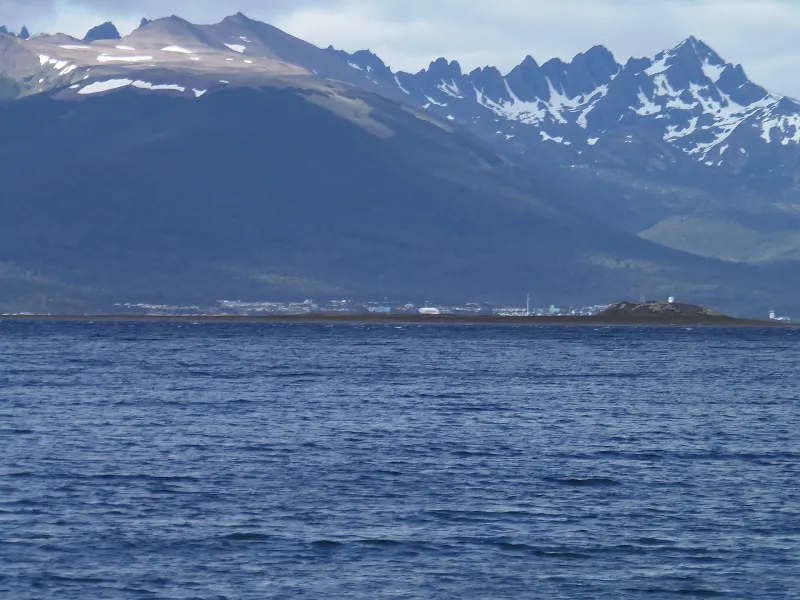
More than six thousand years navigating the southern channels, a language the community is working to keep alive, and a museum that changed its name at the community’s request. What’s worth knowing before visiting Puerto Williams, and how to do it respectfully.
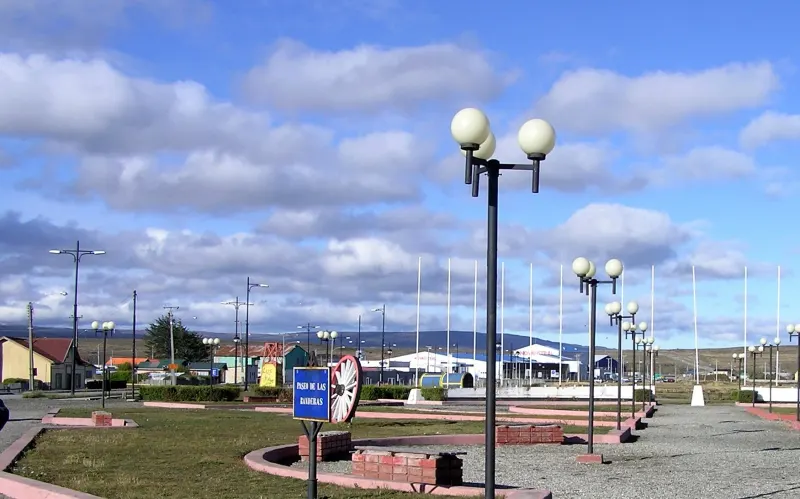
Almost everyone uses it as a base camp for Torres del Paine, but the town has a history of its own: a fjord named like a farewell, a meatpacking plant that once processed thousands of sheep a day, and a waterfront where the wind has its own monument.
A couple of hours on the water, a waterfront that remembers the Selk’nam, and a salt lagoon where microorganisms build structures related to some of the oldest fossils on Earth. How to make the most of a day in Tierra del Fuego.